About College
TERI SAS Latest News and Updates
The undergraduate fee structure for TERI SAS for the academic year 2025-26 has been announced, with annual fees ranging from ₹2.6 Lakhs to ₹3.1 Lakhs.
The postgraduate fee structure for the same academic year has also been released, ranging between ₹1.51 Lakhs and ₹5.58 Lakhs per year.
CAT 2025 registrations for MBA/PGDM admissions are now open. Candidates can apply at iimcat.ac.in until September 13, 2025. The exam is scheduled for November 30, 2025.
XAT 2026 registrations have also begun. The last date to apply at xatonline.in is December 5, 2025, and the exam will be conducted on January 4, 2026.
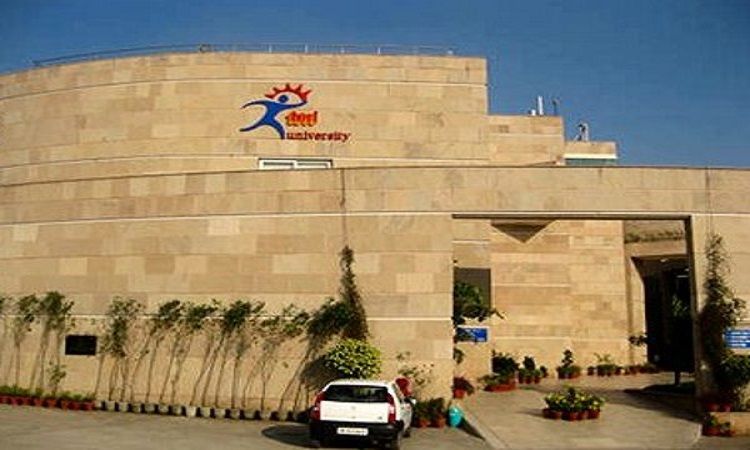
The TERI School of Advanced Studies (TERI SAS), formerly known as TERI University, is a Deemed to be University located in Vasant Kunj, New Delhi. Established in 1998 by The Energy and Resources Institute (TERI)—a not-for-profit, independent research organisation—TERI SAS is approved by the UGC, AICTE, and MHRD.
The university is accredited with a B++ grade by NAAC and is also recognised by UNCCD. In the NIRF 2020 rankings, it secured the 70th position in the overall category. TERI SAS offers 25 postgraduate and doctoral programs across 5 streams and maintains academic tie-ups with several international institutions for joint research, curriculum development, and faculty/student exchange programs.
Quick Facts
| Particular | Details |
|---|---|
| Year of Establishment | 1998 |
| Location | Vasant Kunj, New Delhi |
| Campus Size | 2 Acres |
| Approvals | UGC, AICTE, MHRD |
| Accreditations | NAAC (B++), UNCCD |
| NIRF Ranking (2020) | 70 (Overall Category) |
| Entrance Exams Accepted | CAT, MAT, XAT, GMAT, CMAT, CLAT, TERI SAS Entrance Exam |
| Courses Offered | 25 courses across 5 streams |
| Key Collaborations | University of Iceland, University of Science & Tech (Gambia), Central Public Works Department (India) |
| Scholarships | Merit-based and Need-based scholarships available |
TERI SAS Programmes Offered &am
TERI SAS Latest News and Updates
The undergraduate fee structure for TERI SAS for the academic year 2025-26 has been announced, with annual fees ranging from ₹2.6 Lakhs to ₹3.1 Lakhs.
The postgraduate fee structure for the same academic year has also been released, ranging between ₹1.51 Lakhs and ₹5.58 Lakhs per year.
CAT 2025 registrations for MBA/PGDM admissions are now open. Candidates can apply at iimcat.ac.in until September 13, 2025. The exam is scheduled for November 30, 2025.
XAT 2026 registrations have also begun. The last date to apply at xatonline.in is December 5, 2025, and the exam will be conducted on January 4, 2026.
The TERI School of Advanced Studies (TERI SAS), formerly known as TERI University, is a Deemed to be University located in Vasant Kunj, New Delhi. Established in 1998 by The Energy and Resources Institute (TERI)—a not-for-profit, independent research organisation—TERI SAS is approved by the UGC, AICTE, and MHRD.
The university is accredited with a B++ grade by NAAC and is also recognised by UNCCD. In the NIRF 2020 rankings, it secured the 70th position in the overall category. TERI SAS offers 25 postgraduate and doctoral programs across 5 streams and maintains academic tie-ups with several international institutions for joint research, curriculum development, and faculty/student exchange programs.
Quick Facts
| Particular | Details |
|---|---|
| Year of Establishment | 1998 |
| Location | Vasant Kunj, New Delhi |
| Campus Size | 2 Acres |
| Approvals | UGC, AICTE, MHRD |
| Accreditations | NAAC (B++), UNCCD |
| NIRF Ranking (2020) | 70 (Overall Category) |
| Entrance Exams Accepted | CAT, MAT, XAT, GMAT, CMAT, CLAT, TERI SAS Entrance Exam |
| Courses Offered | 25 courses across 5 streams |
| Key Collaborations | University of Iceland, University of Science & Tech (Gambia), Central Public Works Department (India) |
| Scholarships | Merit-based and Need-based scholarships available |
TERI SAS Programmes Offered & 2025 Fee Structure
Undergraduate & Integrated Master’s (FYUP / FYIPP)
TERI SAS offers four‑year Bachelor’s and five‑year integrated Master’s programmes in fields such as Environmental Studies, Data Science, Economics, Business Administration (BBA), and Biotechnology. These follow the NEP‑2020 framework with multiple entry–exit options.
-
Refundable deposits: Institute ₹5,000 + Library ₹5,000
-
Semester Exam Fee: ₹10,000 per semester (paid separately)
UG (B.Sc. Hons.)
-
First-year tuition fee: ₹2.6 Lakhs – ₹3.1 Lakhs
M.Sc. (Postgraduate)
-
First-year tuition: ₹1.67 Lakhs – ₹2.29 Lakhs
-
Shiksha indicates total tuition between ₹2.85 Lakhs – ₹4.60 Lakhs; total cost incl. deposits/admission fee ~₹3.15 L – ₹4.9 L
MBA (Sustainability Management)
-
First-year tuition fee: ₹5.58 Lakhs
-
Shiksha estimates total tuition ₹11.9 Lakhs; including deposits/admission: ₹12.35 Lakhs
Ph.D. Programmes
-
First-year tuition fee: ₹90,000 for non‑sponsored candidates; sponsored applicants pay 1.5×. Total with admission fee: ~₹2.7 Lakhs
Other PG Courses
-
MA (Public Policy / Sustainable Dev. Practice): ₹1.51 Lakhs – ₹1.60 Lakhs first year
-
PG Diploma: ₹1.63 Lakhs total fee
-
M.Tech / M.E. programmes (3 specialisations) typically ~₹2.1 L – ₹2.16 L tuition; total including deposits ~₹4.1 L – ₹4.29 L for a 2-year period
-
LL.M. (Environment / Infrastructure Law): Tuition ~₹1.45 L; total cost inclusive of hostel, deposit and admission fees up to approximately ₹6.66 Lakhs
Fee Summary
| Programme | First-Year Tuition | Estimated Total Cost |
|---|---|---|
| B.Sc. (Hons.) | ₹2.60 L – ₹3.10 L | ~₹2.60 L – ₹3.10 L |
| FYUP/FYIPP Integrated UG–PG | - | Deposits + exam fees extra |
| M.Sc. (P.g., Environmental, etc.) | ₹1.67 L – ₹2.29 L | ₹2.85 L – ₹4.60 L (incl. deposits) |
| MBA (Sustainability Management) | ₹5.58 L | ₹11.90 L tuition; ~₹12.35 L total |
| MA Programmes | ₹1.51 L – ₹1.60 L | ~₹3.38 L – ₹12.2 L (depending on structure) |
| M.Tech/M.E. | ₹2.10 L – ₹2.16 L | ~₹4.10 L – ₹4.29 L |
| PG Diploma | ₹1.63 L (total) | ~₹1.08 L – ₹2.6 L |
| LL.M. | ₹1.46 L | ~₹6.66 L (incl. hostel & deposits) |
| Ph.D. | ₹0.90 L annual (non‑sponsored) | ~₹2.70 L over course |
Additional Charges
-
Refundable deposits: ₹5,000 (Institute) + ₹5,000 (Library) at registration
-
Examination fee: ₹10,000 per semester extra
-
Field visits & course-specific charges: billed separately based on actual cost
-
Sponsored candidate tuition: 1.5× standard rate
Highlights
-
Undergraduate (B.Sc. Honours): ₹2.6–3.1 Lakhs
-
M.Sc.: ₹1.67–2.29 Lakhs first year; ₹2.85–4.6 Lakhs total
-
MBA: ₹5.58 Lakhs tuition; ~₹12.35 Lakhs total
-
Ph.D.: ₹90K first year; ₹2.7 Lakhs overall
-
Other programs (MA, M.Tech, LL.M., PG Diploma) have variable structures but fall within ₹1.5 L to ₹4 L tuition range, with total costs reflecting deposits and fees.
Undergraduate Courses
| Course | Duration | Eligibility |
| Environmental Studies: B.Sc./ B.Sc. (Honours)/ B.Sc.(Honours with Research) | 4 Years | A Senior Secondary School Examination (10+2) certificate in any discipline or equivalent, from a recognised Board of Education with at least 50% marks in aggregate. |
| Data Science: B.Sc./ B.Sc. (Honours)/ B.Sc.(Honours with Research) | 4 Years | A Senior Secondary School Examination (10+2) certificate in any discipline or equivalent, from a recognised Board of Education with at least 50% marks in aggregate. |
| Economics (B.Sc. Honours/ Honours with Research) | 4 Years |
A Senior Secondary School Examination (12th grade: 10+2) certificate in any discipline with at least 50% marks in aggregate with Mathematics or Applied Mathematics in Grade 12. |
| B.B.A/ B.B.A (Honours)/ B.B.A(Honours with Research) | 4 Years | A Senior Secondary School Examination (12th grade: 10+2) certificate in any discipline or equivalent, from a recognised Board of Education with at least 50% marks in aggregate. |
| 5 Years | A Senior Secondary School Examination (10+2) certificate in any discipline or equivalent, from a recognised Board of Education with at least 50% marks in aggregate. | |
|
Integrated PG (FYIPP) Programme in Environmental Studies (M.Sc.) |
5 Years | A Senior Secondary School Examination (10+2) certificate in any discipline or equivalent, from a recognised Board of Education with at least 50% marks in aggregate. |
Postgraduate Courses
| Course | Eligibility |
| M.Sc.( Climate Science and Policy, Environmental Studies & Resource Management, Geoinformatics, Plant Biotechnology, Economics, Water Science and Governance) | The candidate needs to have a Bachelor’s degree in Science or Engineering from a recognised university. |
| MBA (Sustainability Management) |
The candidate needs to have a Bachelor’s degree from a recognised university. The candidate needs to have a valid score in CAT/MAT/GMAT/CMAT/XAT. Candidates with more than 2 years of relevant work experience may be exempted from requirement (2) above depending on the discretion of the selection committee. |
| LLM (Environment and Natural Resources Law; and Infrastructure and Business Law) | The candidate needs to have a degree in LLB/B.L. from a recognised university. |
| M.Tech (Renewable Energy Engineering and Management, Water Resource Engineering and Management, Urban Development and Management) | The candidate needs to have a degree in B.Tech. from a recognised university. |
| M.A. (Sustainable Development Practice, Public Policy, and Sustainable Development) | The candidate needs to have a Bachelor’s degree from a recognised university. |
Important Note:
The university provides PG Diploma and Certificate courses in Water Science and Governance. Additionally, it offers Ph.D. programs in diverse specialisations.
TERI SAS Admissions 2025
Undergraduate & Integrated Programmes (FYUP/FYIPP)
TERI School of Advanced Studies (TERI SAS) is offering admission to five 4-year undergraduate (FYUP) and three 5-year integrated postgraduate (FYIPP) programmes for the academic year 2025. These include BBA and B.Sc. (Hons.) with/without research in disciplines like Data Science, Economics, Environmental Studies, and Biotechnology.
-
Eligibility: Minimum 50% aggregate in Class 12 (including English). Some courses like B.Sc. Economics require Mathematics as a subject.
-
Admission Criteria: Based on Class 12 marks and/or entrance scores from CUET-UG, NEET, or JEE Main, followed by counselling.
-
Total Seats: Around 190 for UG and integrated programmes.
-
Fees: Total programme fees range from ₹10.5 Lakhs to ₹16.2 Lakhs, depending on the course.
Postgraduate Programmes
TERI SAS offers a wide range of PG programmes including:
-
M.Sc. (in Environmental Studies, Climate Science, Geoinformatics, Economics, Water Science, Biotechnology)
-
M.A. (in Public Policy & Sustainable Development, Sustainable Development Practice)
-
MBA (in Sustainability Management)
-
M.Tech. (in Urban Development, Renewable Energy Engineering, Water Resources Engineering)
-
LL.M. (in Environment and Infrastructure Law)
-
PG Diploma programmes
Eligibility: A Bachelor’s degree with at least 50% marks. For MBA, candidates must also have passed English at 10+2 level.
Accepted Exams: CAT, XAT, MAT, CMAT, GMAT, CUET-PG, or the TERI SAS entrance test. Candidates with 2 or more years of relevant work experience may be exempted from the entrance test.
Selection Process: Based on entrance test score, followed by Group Discussion (GD) and Personal Interview (PI).
Seats: Around 60 for MBA and varies for other courses.
Ph.D. Programmes
TERI SAS offers Ph.D. programmes in various disciplines such as:
-
Business Sustainability
-
Environmental Science
-
Policy Studies
-
Energy and Resources
Eligibility: Postgraduate degree in relevant discipline with required qualifications.
Admission Process: Department-level evaluation and interview.
Fees: Approximately ₹2.7 Lakhs for the complete programme for non-sponsored candidates.
Key Admission Highlights
-
UG/Integrated Admissions: Based on Class 12 marks or CUET-UG/NEET/JEE Main scores.
-
PG Admissions: Entrance test (CAT, XAT, etc.) + GD/PI. Work-experienced candidates may be exempted from test.
-
MBA Admissions: 60 seats available; minimum 50% in graduation. Entrance exam required.
-
Ph.D. Admissions: Based on academic performance and departmental interview.
-
Application Window: Admissions opened in mid-2025 for the August intake.
TERI SAS Placements 2024
Placements 2024
-
Highest Package: ₹15 LPA
-
Average Package: ₹7.2 LPA
-
Top Recruiters: KPMG, EY, Infosys, GIZ, PwC, Deloitte, WRI, and World Bank
-
Popular Domains: Sustainability Consulting, Climate Policy, Data Analysis, Environmental Management, and ESG
Placements 2023
-
Highest Package: ₹13.5 LPA
-
Average Package: ₹6.8 LPA
-
Notable Recruiters: WWF, NITI Aayog, CEEW, TERI, Accenture, TCS
-
Placement Rate: Approx. 92%
-
Top Roles: Policy Analyst, ESG Analyst, Environmental Consultant, Sustainability Manager
Placements 2022
-
Highest Package: ₹12 LPA
-
Average Package: ₹6.2 LPA
-
Major Recruiters: Development Alternatives, IORA Ecological, CII, Ernst & Young
-
Sector-wise Offers: Climate Change, Renewable Energy, Environmental Law, Urban Planning
Placement Insights
-
TERI SAS graduates are frequently placed in roles across consulting firms, think tanks, NGOs, multinational corporations, and government-affiliated organisations.
-
The MBA (Sustainability Management) and M.Sc. Environmental Studies programmes consistently see high demand.
-
Students from technical and policy programmes (M.Tech., MA Public Policy) secure roles in policy research, ESG, and climate resilience planning.
TERI SAS International Collaborations
TERI School of Advanced Studies (TERI SAS) has built strong international linkages with several reputed universities and research institutions across the globe. These collaborations focus on student and faculty exchange, joint research, curriculum development, and academic cooperation in sustainability, environment, energy, and policy.
Key International Partner Institutions
TERI SAS has academic and research collaborations with institutions such as:
-
Yale University, USA
-
Michigan State University, USA
-
North Carolina State University, USA
-
Donald Danforth Plant Science Center, USA
-
University of New South Wales, Australia
-
Deakin University, Australia
-
Freie Universität Berlin, Germany
-
Humboldt University, Germany
-
Fraunhofer-Gesellschaft, Germany
-
University of Iceland
-
University of Nottingham, UK
-
University of Glamorgan, UK
-
University of Leeds, UK
-
Concordia University, Canada
-
University of Saskatchewan, Canada
-
University of the West Indies, Jamaica
-
Linnaeus University, Sweden
-
University of Sri Jayewardenepura, Sri Lanka
Areas of Collaboration
-
Student and Faculty Exchange
-
Short-term academic visits
-
Semester exchange programs
-
Joint supervision of research students
-
-
Collaborative Research
-
Sustainability and climate science
-
Energy, policy, and environmental governance
-
Biotechnology, water science, and renewable resources
-
-
Curriculum Development
-
Co-designed academic modules
-
Workshops and knowledge exchange programs
-
Joint degrees and project-based learning models
-
-
Centres of Excellence
-
TERI SAS has partnered with global companies and institutions to set up interdisciplinary centres focused on research and innovation in sustainable development.
-
Benefits for Students and Faculty
-
Exposure to global best practices in sustainability and policy
-
Opportunities for funded research and internships abroad
-
Participation in joint conferences and workshops
-
Access to international academic resources and faculty expertise
-
Enhanced career prospects through global networking
TERI SAS Scholarships
TERI SAS offers a limited number of scholarships to students joining the doctoral and master's programmes. All grants to TERI SAS students are made on a competitive basis, with due consideration for both means and merit. The criteria for selection are such that they encourage students to continuously strive towards academic and professional excellence.
The Scholarship Committee has the discretion to modify the suggested criteria.
Scholarships Guidelines
Existing scholarships are competitively awarded. The following principles are taken into account while preparing the merit list of selected students:
| Criteria | Weightage |
| Means | |
| Gross annual household income | 40% |
| Merit | |
| Marks obtained in the undergraduate course converted into a percentage of total marks | 20% |
| Relevant score from NET/GATE/CAT/MAT/GMAT in percentile | 20% |
| Interview (Marks out of 100) | 20% |
An income declaration by the self-employed parents/guardians, stating definite income from all sources by way of an affidavit on non-judicial stamp paper. Employed parents/guardians are required to obtain income certificate from their employer and for any additional income from other sources, they would furnish declaration by way of an affidavit on non-judicial stamp paper.
In case of a tie in marks, the student with lower annual income should be given preference for award of scholarship.
In case the selection committee feels that NET/GATE/CAT/MAT/GMAT is not relevant for the grant under consideration, this characteristic should be dropped and the other weights of the two items under the category Merit should be increased to 30% each.
TERI SAS Campus Facilities
TERI SAS Campus: A Truly Green Learning Environment
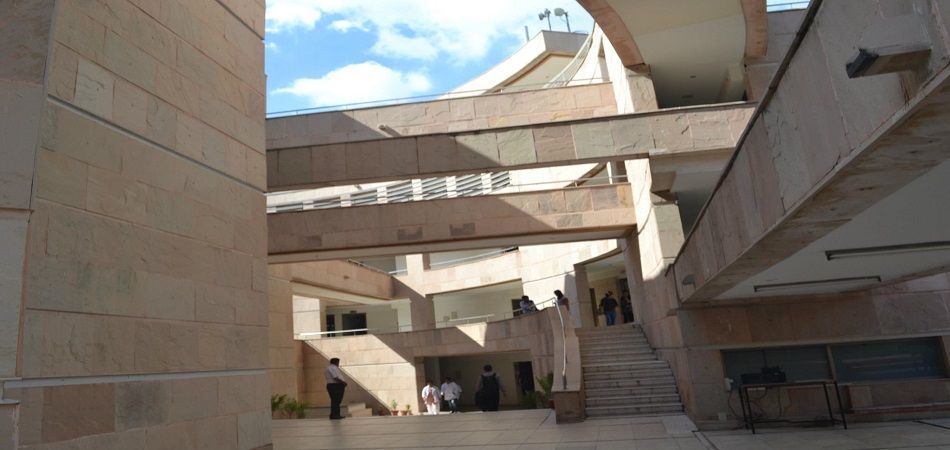
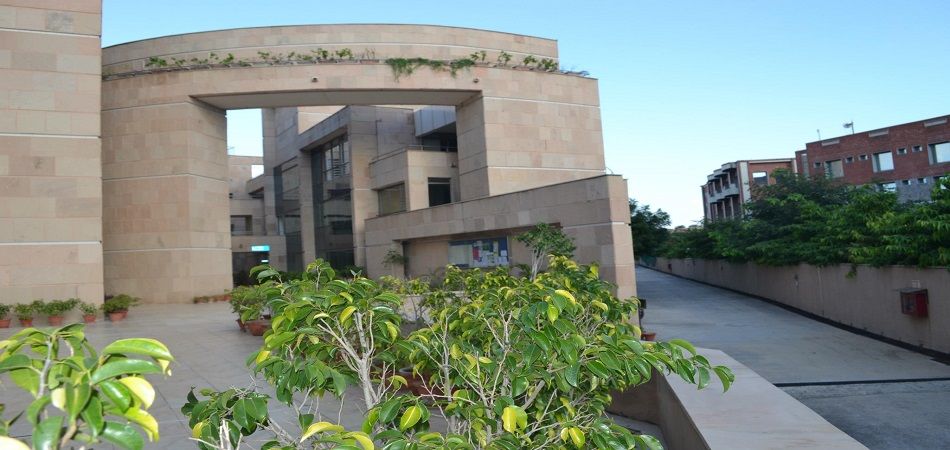
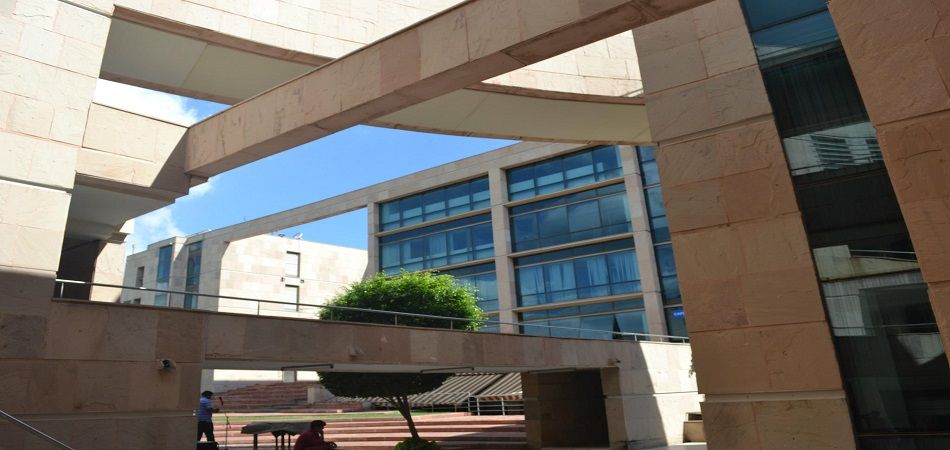
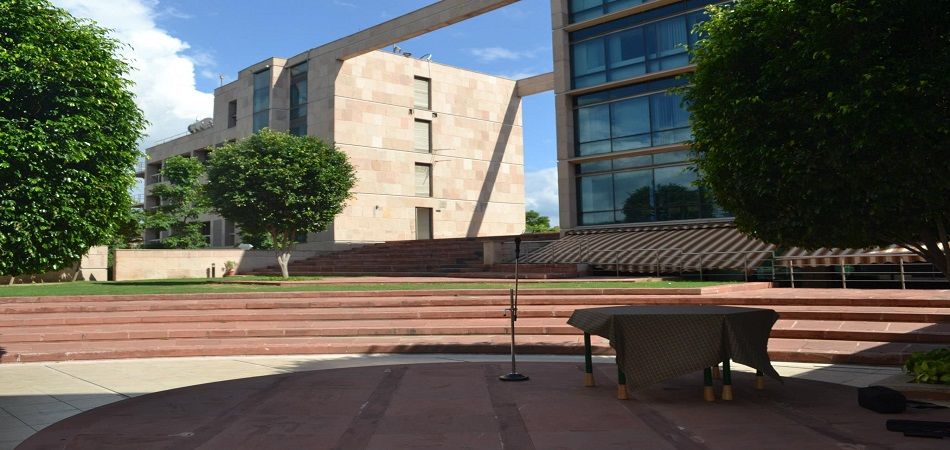
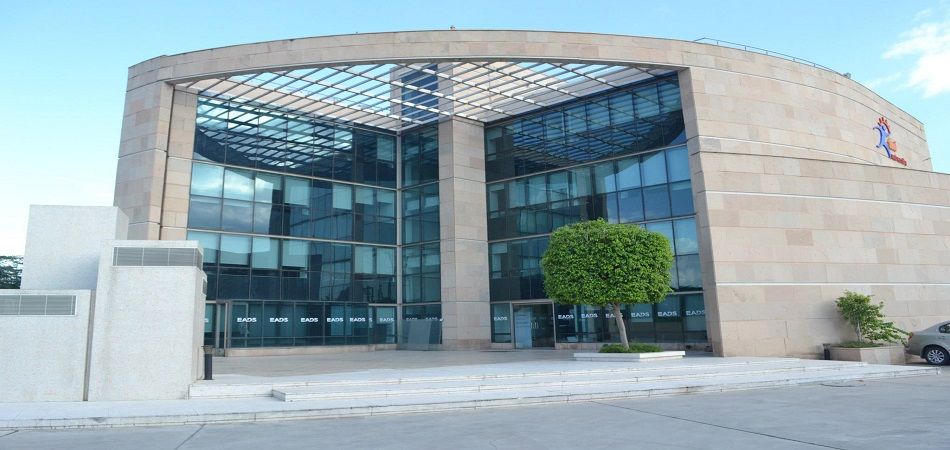
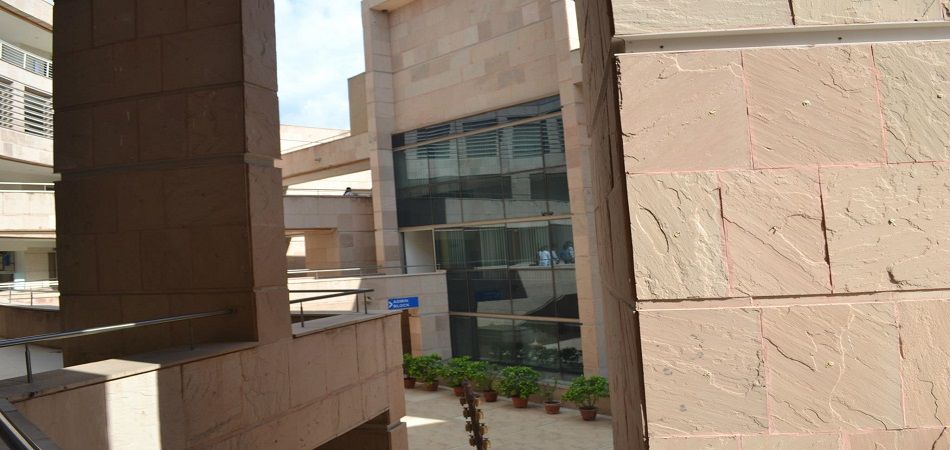
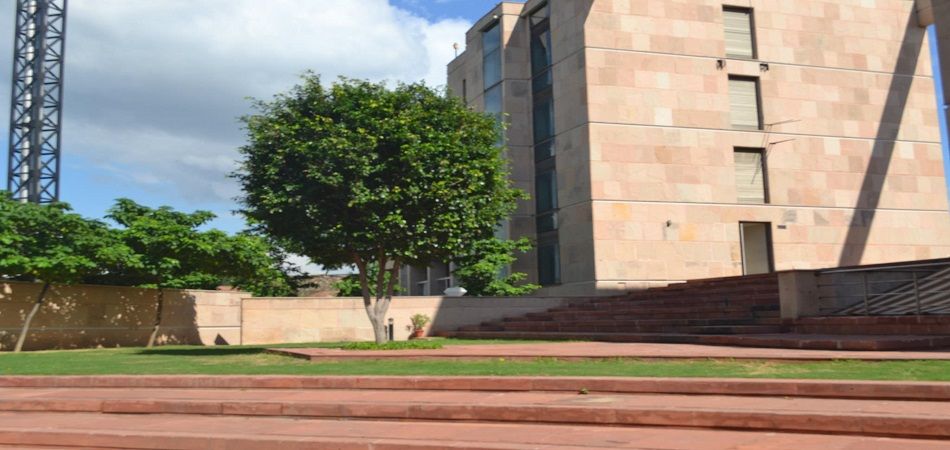
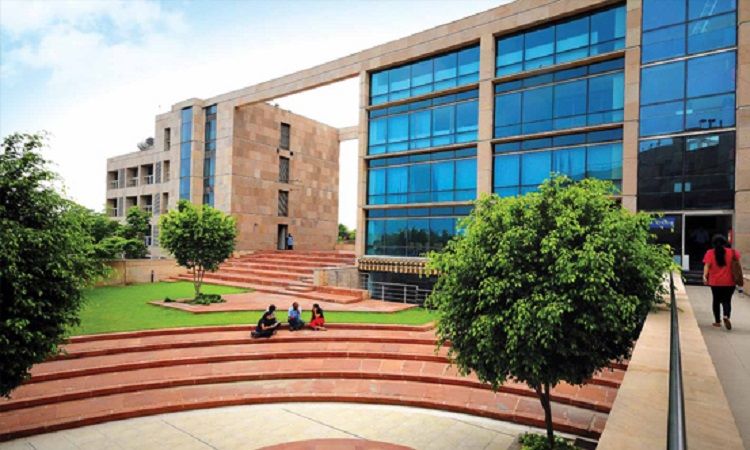
TERI School of Advanced Studies (TERI SAS) features a uniquely eco-conscious campus in Vasant Kunj, New Delhi. As an architectural delight, the campus reflects the institute’s sustainability-driven philosophy by practicing the very principles it imparts. It provides an immersive learning environment designed to enhance both academic engagement and environmental responsibility.
The aesthetically designed campus features:
-
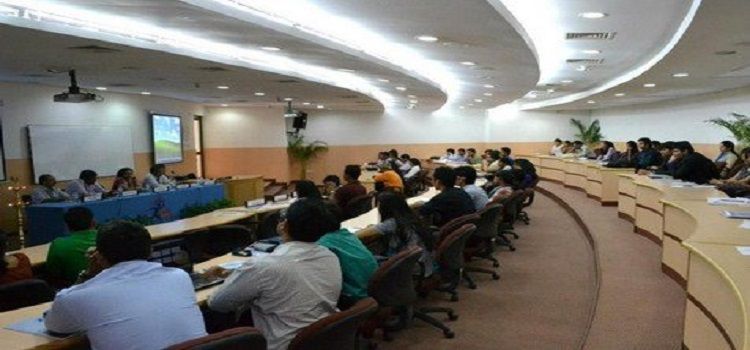
10 classrooms (32-seat capacity each)
-
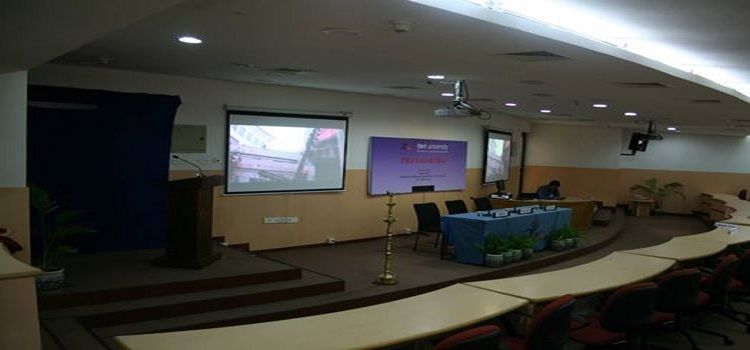
3 lecture halls (accommodating 60 people each)
-
1 auditorium (with a seating capacity of 80–100)
-
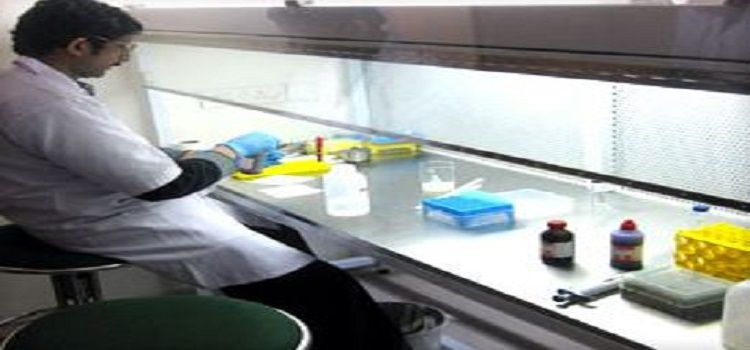
10 cutting-edge laboratories for interdisciplinary research
-
A well-stocked conference hall
Sustainable Architecture & Green Features
TERI SAS’s campus integrates modern passive solar design, energy-efficient systems, and water/waste management practices. Here’s how sustainability is embedded:
-
East-West building orientation ensures glare-free daylight and passive heat control.
-
Shading devices block direct sunlight in summer, reducing cooling demand.
-
Insulation on walls and roof (rock wool, vermiculite, puff insulation).
-
China mosaic roofing for effective heat reflection.
-
Synergy Azur double-glazed windows for thermal performance.
-
Cooling systems include:
-
Earth Air Tunnel (EAT)
-
Thermal mass-based cooling
-
Variable Refrigerant Volume (VRV) system
-
-
Sun control: Hunter Douglas louvers and pergolas regulate solar intensity.
-
Solar water heating system reduces energy load.
-
Wastewater recycling system (STP) facilitates eco-friendly water use.
Academic Infrastructure
-
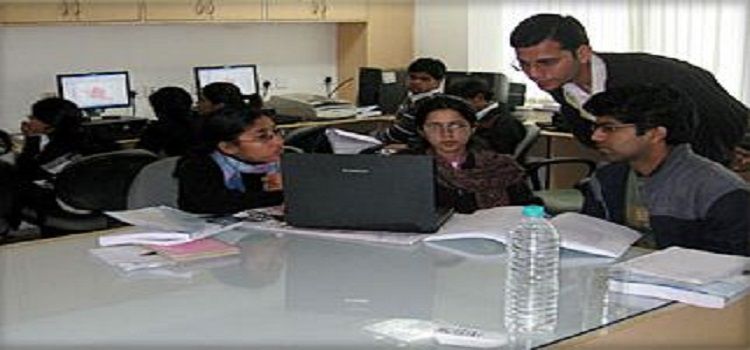
Smart classrooms with AV capabilities
-
Media lab for multimedia production and documentation
-
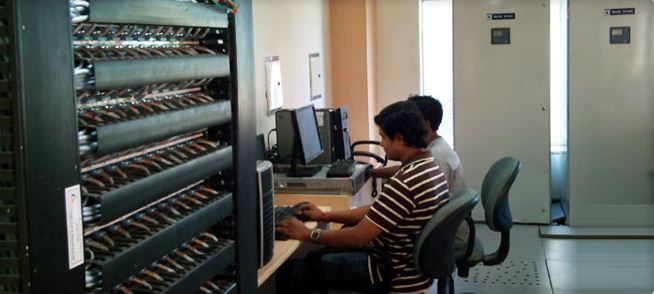
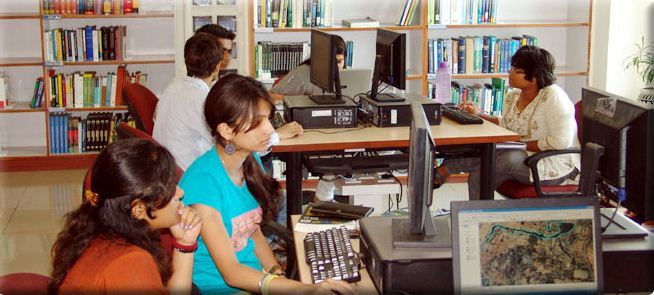
Computer lab with licensed software like MATLAB, STATA, QGIS, PVsyst
-
Language lab with digital tools for communication skills
-
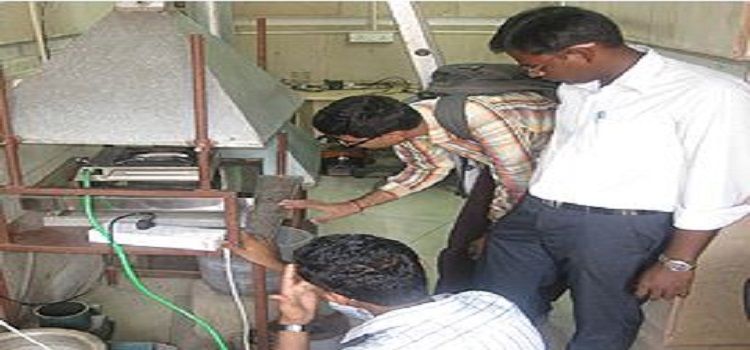
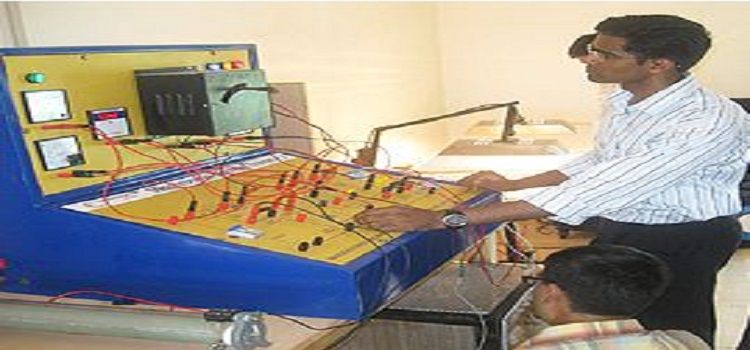
Environmental monitoring, solar lighting, combustion, and power systems labs
-
Digital library with access to e-resources and journals
Residential Facilities
Accommodations (Women’s Hostel On-Campus)
-
Spacious single and double occupancy rooms
-
Attached bathrooms
-
Energy-efficient and environmentally friendly features
Security
-
24x7 manned security
-
Electronic surveillance systems
Amenities
-
Cafeteria with meal services
-
Recreational rooms with indoor games (carrom, chess) and television
-
Dedicated music room
-
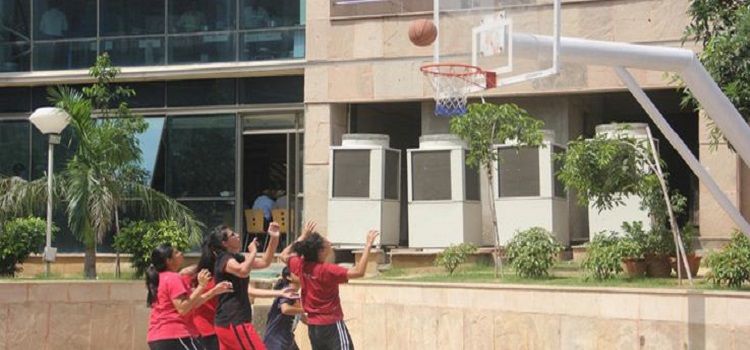
Outdoor basketball court and table tennis area
Off-Campus Housing
-
University-assisted PG accommodations for boys and girls in nearby safe locations
Student Clubs & Co-curricular Activities
TERI SAS fosters a vibrant student life through diverse clubs and initiatives:
-
Dramatics Club: Street plays and performances to highlight sustainability themes
-
Elocution Club: Public speaking, JAM sessions, poetry, quizzes, and debates
-
Eco-Club: Celebrations like Earth Day, ‘No Plastic Day,’ and plantation drives
-
Sports Club: Annual sports meets in badminton, TT, cricket, football, basketball, etc.
-
Music & Dance Club: Platforms for artistic performance and student showcases
-
Media & Photography Club: Captures and communicates campus activities visually
-
Social Cause Club: Initiatives like clothes donation and blood donation drives
-
Entrepreneurship Development Cell (EDC): Workshops, networking, and innovation promotion
Summary
| Category | Facilities & Features |
|---|---|
| Sustainability & Design | Solar design, insulation, passive cooling, Earth Air Tunnel, STP, energy-efficient glazing |
| Academic | Smart classrooms, labs, digital/media/language labs, library, conference hall |
| Residential | Hostel (women), attached bathrooms, energy-efficient rooms, PG support |
| Security | 24x7 security guards, electronic surveillance |
| Recreation | Indoor games, music room, basketball court, table tennis |
| Student Clubs | Dramatics, Elocution, Eco, Sports, Music & Dance, Media, Social Cause, Entrepreneurship |
TERI SAS FAQs
Q: Which companies visit TERI SAS for placements?
A: Recruiters include top organisations such as HCL Foundation, TATA Consultancy Services, CII, UNDP, Infosys, Schneider Electric, KPMG, Panacea Biotech, EY, TERI, World Bank, PwC, WWF, Accenture, GIZ, and others across various sectors like sustainability, policy, consulting, energy, and climate change.
Q: Does TERI SAS offer hostel accommodation?
A: Yes, TERI SAS provides hostel facilities exclusively for girls. The rooms are spacious, well-furnished, and come with attached bathrooms. The hostels also incorporate energy-efficient features and offer a comfortable and safe environment.
Q: What is the quality of faculty at TERI SAS?
A: The faculty at TERI SAS includes experienced academicians and industry professionals with deep subject knowledge. Many of them are involved in high-impact research, national and international collaborations, and policy advisory roles. Their teaching methods are innovative and student-focused.
Q: How is the infrastructure at TERI SAS?
A: TERI SAS has a green, energy-efficient campus that features modern classrooms, well-equipped laboratories, an auditorium, seminar rooms, a digital library, and sports & recreational facilities. The entire campus promotes sustainability in design and operation.
Q: How vibrant is campus life at TERI SAS?
A: Campus life is engaging and inclusive. Students participate in cultural fests, workshops, seminars, field visits, club activities, social impact initiatives, and entrepreneurship development programs. Multiple student-led clubs promote holistic development.
Q: Are there international exchange programs at TERI SAS?
A: Yes, TERI SAS has exchange programs with international institutions like:
-
University of the West Indies (Jamaica)
-
University of Iceland
-
Fraunhofer-Gesellschaft (Germany)
-
Concordia University (Canada)
-
University of Technology Eindhoven (Netherlands)
-
University of Sri Jayewardenepura (Sri Lanka)
These programs promote collaborative research, global exposure, and joint degrees in select cases.
Q: Can students apply offline for TERI SAS programs?
A: No, the application process is fully online. Candidates must register and submit their applications through the official website of TERI School of Advanced Studies.
Q: What are the top programs offered at TERI SAS?
A: Some of the most popular programs include:
-
M.Sc. in Environmental Studies and Resource Management
-
M.Sc. in Climate Science and Policy
-
M.Tech. in Renewable Energy Engineering and Management
-
MBA in Sustainability Management
-
MA in Public Policy and Sustainable Development
-
PhD in interdisciplinary sustainability areas
Q: What kind of scholarships are available?
A: TERI SAS offers merit-based and need-based scholarships. These may cover a portion of the tuition fee and are awarded based on academic performance, financial need, and other eligibility criteria.
Q: Does TERI SAS provide internship opportunities?
A: Yes, most programs include a mandatory internship component. The institute assists students in securing internships with reputed organisations, NGOs, think tanks, and corporates in India and abroad.
Q: What is the average placement package?
A: The average salary package ranges between ₹5 LPA to ₹7.5 LPA depending on the program and specialisation. Students from programs like MBA in Sustainability and M.Tech. in Renewable Energy have secured higher packages based on prior experience and skills.
Q: Are there any field-based learning components?
A: Yes, TERI SAS emphasizes hands-on learning through field visits, live projects, lab work, and sustainability audits. These activities are integrated into the curriculum to enhance practical understanding.
Q: What makes TERI SAS unique?
A: TERI SAS is India’s first university focused entirely on sustainability. With a green campus, cutting-edge research, global collaborations, and a niche focus on environmental, energy, and development studies, the institute offers a unique interdisciplinary learning experience.